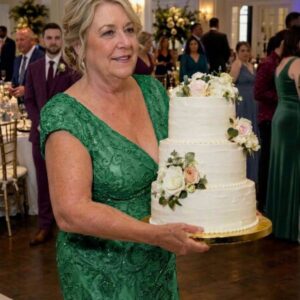
I drove three hours to my son’s Thanksgiving dinner carrying a turkey, two homemade pies, and enough food for twelve people. I expected a warm welcome, but instead, my daughter-in-law looked at the guests and laughed. “Cooking and cleaning—that’s your whole personality, Diane.” Everyone waited for me to laugh along. My son stared at his plate without defending me. At sixty-three, I had spent years helping my family, especially after my husband died and I raised two children alone. I worked full-time, stretched every paycheck, and eventually built a comfortable retirement. Yet somehow, my retirement became another opportunity to serve everyone else. I watched my grandchildren, paid unexpected bills, organized family gatherings, and prepared holiday meals. That Thanksgiving, I finally understood that being needed wasn’t the same as being appreciated.
I drove home in silence, remembering the things I’d postponed for years: traveling, painting, exploring unfamiliar places, and enjoying a peaceful afternoon without anyone needing something from me. At home, I opened my laptop and revisited a folder I’d saved eleven months earlier called “Places to Go.” One particular photograph caught my attention: a beautiful little home in Óbidos, Portugal, with blue shutters, white walls, and a charming private courtyard. I checked the availability, reviewed my savings, and discovered that the property was available for eight weeks starting in December. Before I could talk myself out of it, I made the reservation and booked my flight to Lisbon. When my son texted asking me to start planning Christmas dinner, I replied, “You’ll need to make other arrangements this year. I’ll be out of the country.” His response came almost immediately: “Mom, what do you mean you’re not cooking Christmas?” For the first time, I didn’t rush to apologize or change my plans..
My son called the following morning, insisting I was overreacting to one unpleasant comment. I reminded him that his wife had humiliated me in front of everyone, and he had chosen to remain silent. “You could have said I was more than the woman who cooks your dinners,” I told him. He eventually admitted he’d become accustomed to my help and hadn’t realized how much he expected from me. I also reviewed the financial support I’d quietly provided over the years and decided to stop paying expenses that belonged to his household. My daughter Joanna was delighted when I told her about Portugal. “Mom, you spent your whole life encouraging us to follow our dreams. It’s time you followed yours.” A few days later, I boarded my flight. In Portugal, I discovered narrow cobblestone streets, beautiful bakeries, friendly neighbors, and quiet mornings that belonged entirely to me.
I joined a watercolor class, explored historic buildings, and spent afternoons painting beside my little courtyard. For the first time in years, nobody expected me to prepare dinner, wash dishes, or organize their holiday plans. Christmas arrived, and I celebrated at a small local restaurant. My family called, and I enjoyed speaking with my grandchildren without worrying about what needed to be done afterward. Slowly, my son began to understand. He eventually apologized for remaining silent at Thanksgiving, and my daughter-in-law also admitted that her joke had been hurtful. When I returned home, I accepted an invitation to Sunday dinner. This time, my son cooked, his wife prepared the vegetables, and I sat with my grandchildren while everyone else handled the dishes. It wasn’t a perfect reconciliation, but it was a beginning. Today, I still love cooking for the people I love. I simply no longer believe that loving my family means giving up my own happiness. At sixty-three, I finally understood that retirement wasn’t the end of my responsibilities alone. It was the beginning of a life I was allowed to choose for myself.