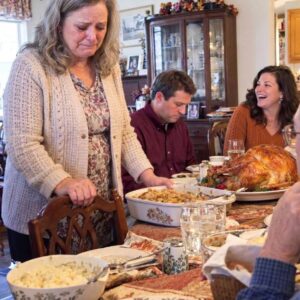
At Sunday dinner, my thirty-six-year-old son looked me straight in the eyes and called me a freeloader. He said it while eating the pot roast I had prepared, sitting in the house I owned, at the very table where his late father once sat. His wife tried to hide a smile, while my nine-year-old grandson quietly pushed a carrot around his plate, pretending not to hear. For two years, I had welcomed my son, his wife, and their little boy into my home after they lost their apartment. I had paid the mortgage, the groceries, the utilities, and even the insurance on the car my son drove to work. I had babysat whenever they needed me and handed over my credit card when they claimed they were struggling. Yet somehow, I was the one being called a burden. I placed my fork beside my plate, looked at Daniel, and calmly said, “You have twenty-four hours to leave my house.” They laughed. They honestly believed I would apologize by morning, just as I had done so many times before. But something inside me had finally changed.
That night, while everyone slept, I went into my late husband’s study and opened my bank statements. I spent hours adding up two years of expenses, from extra groceries and household bills to restaurant meals, expensive purchases, and charges on the credit card I had trusted my son to use responsibly. When I finished, the total was $38,940. I sat there staring at the number, realizing that I had been spending my savings to support two adults who had slowly stopped treating me like a person in my own home. I canceled my son’s credit card, removed him from my car insurance, and changed the passwords on the accounts I was paying for. The next morning, he discovered that his car keys were missing and that his free ride through life had finally ended. But when I thought the hardest part was over, my daughter-in-law made a threat that nearly broke my heart: if they had to leave, I might never see my beloved grandson again
I almost gave in. The thought of losing Oliver was more painful than anything his parents could have said to me. But then I discovered something that changed everything. While printing the legal notice with the help of an attorney, I found a mortgage pre-approval letter in the study. My son and his wife had more than $44,000 saved in a joint account. They had been saving money for a house while allowing me to pay their expenses. For months, they had enjoyed expensive dinners, bought things they wanted, and quietly built their future using the money they should have been contributing to their own lives. When I showed Daniel the letter, he couldn’t look me in the eyes. I told him I would never have refused to help them save for a home if they had simply been honest with me. Instead, they had taken my kindness for granted and made me feel unwanted in the very place I had worked so hard to maintain. With the help of my attorney, I gave them the proper legal notice. Eleven days later, they moved into a townhouse of their own.
The months that followed were not easy. I missed Oliver terribly, and there were birthdays and holidays when I had to celebrate without him. But slowly, things began to change. Daniel started sending me $200 every month toward the money he had taken for granted. He apologized, found a better position at work, and began learning what it really meant to support a family. Eventually, Marissa came to my garden and admitted that threatening to keep Oliver away had been the worst thing she had ever done. She asked if he could visit on Saturdays. I agreed, with one condition: our grandson would never again be used as a weapon in an argument between adults. Today, Daniel and Marissa own a small home of their own, Oliver spends weekends helping me in the garden, and our family is slowly healing. One afternoon, Daniel returned the old house key I had given him when he first moved in. I hung it beside my own keys on the brass hook by the front door. It no longer opened anything, but I decided to keep it as a reminder that loving someone should never mean losing yourself. Sometimes the greatest gift a mother can give her children is the chance to learn how to stand on their own.