I was twenty-one when my college sweetheart, Thomas, disappeared during the Vietnam War. I was seventy-six when a stranger approached me at the airport, holding an old photograph of two young people standing together, smiling as if the world had promised them forever. I recognized the picture instantly. It was Thomas and me, taken just weeks before he left for war. The young man introduced himself as Daniel and looked at me with trembling eyes. “My grandfather asked me to find you,” he whispered. “His name is Thomas, and he’s alive.” For a moment, the noise of the airport faded away. Thomas had been declared missing in action decades earlier. I had spent a lifetime believing I would never know what happened to him. Yet here stood a stranger telling me that the man I had mourned for fifty-five years was still breathing.
Thomas and I had fallen in love in college. He studied engineering, teased me about my love of literature, and promised that one day he would buy me a proper engagement ring. When he left for Vietnam, he kissed my forehead and said, “Wait for me. I’ll come home, and we’ll start our life together.” Six months later, military officers arrived with the news that his aircraft had disappeared. No body was ever found. I never married, though I built a beautiful life teaching English and helping young people discover the power of words. Every year on his birthday, I visited a memorial for missing servicemen and placed a white rose there. I carried our photograph and told him about everything he had missed. I never stopped wondering whether he might return. But as Daniel led me toward his car that afternoon, he revealed something that made my heart ache even more: Thomas had returned home in 1973, built a family, and lived an entire life without ever contacting me. And now, after all those years, he wanted to see me one last time
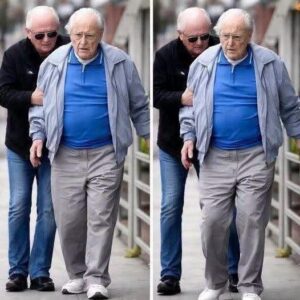
The drive to Thomas’s house felt longer than any journey I had ever taken. When I finally entered his room, I saw an elderly man sitting beside the window, his white hair thin and his hands trembling. Yet when he lifted his eyes and whispered my name, I recognized them immediately. They were the same eyes that had once looked at me across library tables and promised me forever. I stood silently for several seconds before asking the question that had haunted me since Daniel approached me. “You’ve been home for more than fifty years. Why did you let me believe you were dead?” Thomas lowered his head. He explained that he had fallen in love with Margaret, a nurse who helped him recover after the war. He had chosen a new life but lacked the courage to face the woman he had left behind. At first, he told himself he would contact me someday. Then months became years, and years became decades. To make matters worse, he had told his parents that I knew he was alive and had asked him never to return. They believed him. His children, Daniel included, had only recently discovered the truth.
Thomas reached for my hand and begged me to forgive him. He said he was seriously ill and did not want to leave this world carrying the weight of his choices. For one brief moment, I saw the young man who had shared his coffee with me and dreamed about our future. I felt sorrow for the years we had lost, but I also remembered every birthday spent waiting, every unanswered question, and every white rose placed beside a memorial. “I loved you once, Thomas,” I told him gently. “But while I was mourning you, you were living your life. I can forgive you without pretending that what you did never happened.” Then I walked away, leaving the past where it belonged. That afternoon, I returned to the memorial and placed my white rose at its base. But this time, I kept our photograph in my purse. I no longer needed to leave a piece of myself behind. When my sister asked what I wanted to do next, I smiled and answered, “I want to see the ocean.” At seventy-six, I finally understood that love can remain part of your story without controlling the rest of it. Sometimes, the greatest act of healing is not waiting for the past to make things right, but giving yourself permission to move forward.